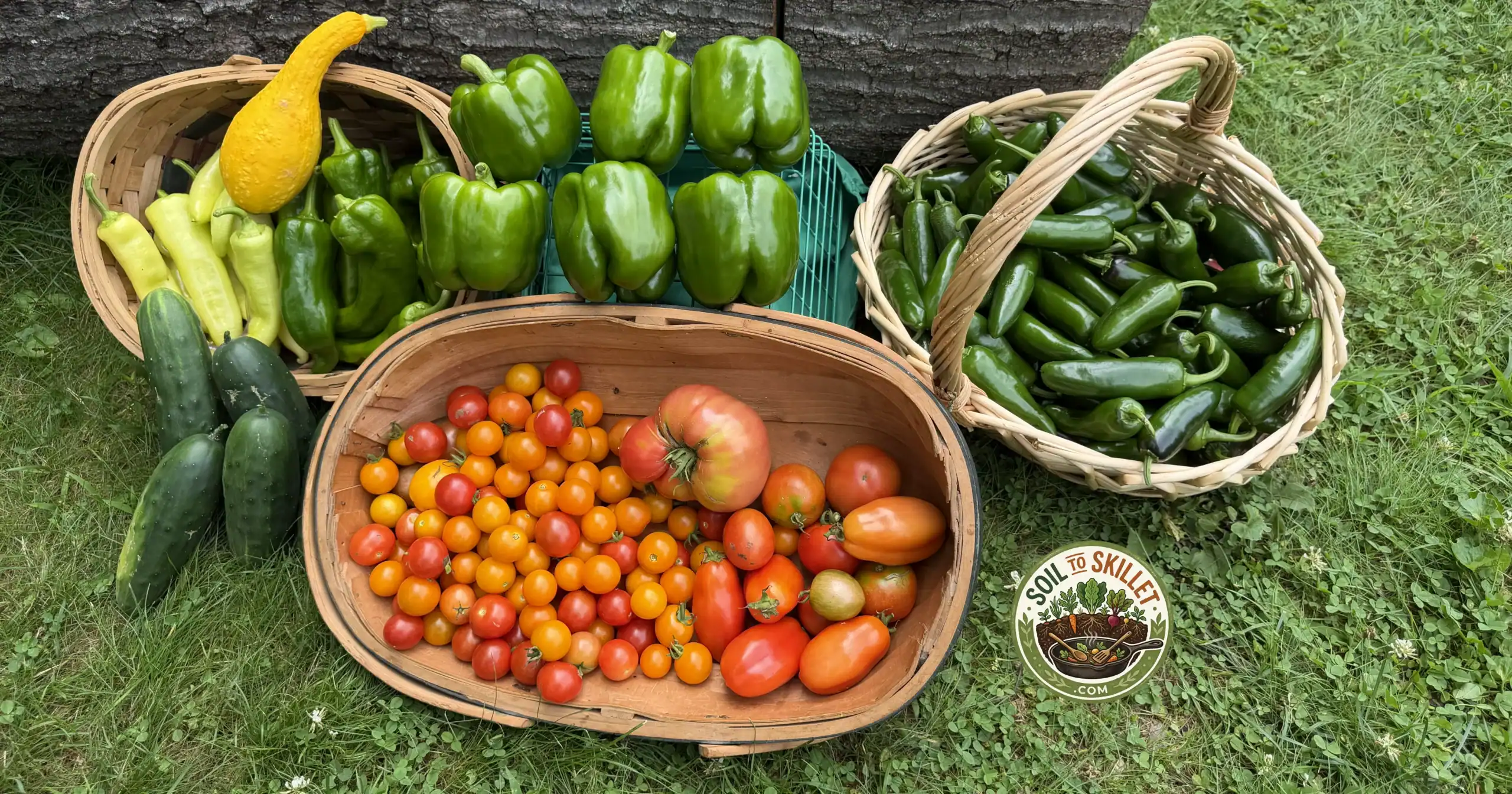
Every few months, news headlines report another high-profile grocery store produce recall. Whether it is Cyclospora on packaged salad greens, Salmonella linked to fresh peppers, or E. coli warnings on spinach, buying fresh produce can sometimes feel like a game of chance. For anyone focused on eating clean, whole foods, it raises a critical question: How do fresh, raw vegetables end up becoming a health hazard?
The issue rarely starts in your kitchen—it starts deep within the industrial supply chain. Fortunately, there is a simple, deeply satisfying way to take total control over what lands on your plate: growing your own vegetables at home.
Key Takeaways
- Bypass Supply Chain Risks: Growing at home eliminates major sources of commercial contamination like Cyclospora and Salmonella.
- Easy, High-Yield Crops: Lettuce offers continuous harvests through staggered plantings, while peppers yield heavily with minimal maintenance.
- Family & Community Impact: Gardening creates hands-on learning opportunities for kids and lets you share safe, fresh produce with friends and neighbors.
1. Bypassing the Industrial Supply Chain
Commercial produce undergoes a long, multi-step journey before reaching your local grocery shelf. It travels from massive commercial fields to high-volume washing facilities, distribution hubs, and long-distance transport trucks. If contaminated irrigation water or an infected surface enters that chain at any stage, an outbreak can quickly spread across hundreds of stores nationwide.
When you transition to homegrown produce, you bypass that commercial chain entirely:
- Clean Water Sources: You control the water quality. Your crops are hydrated with clean municipal or tested well water, eliminating exposure to agricultural runoff.
- Pure Soil and Inputs: You choose exactly what goes into your raised beds or containers, from clean soil blends to high-quality organic fertilizers.
- Zero Mystery Handlers: From the moment you sow the seed to the day you harvest, you know every hand that has touched your food.
2. Starter Crops That Deliver Big Results: Lettuce & Peppers
If you think starting a home garden is complicated, two of the easiest (and most productive) crops to grow are the very ones most frequently involved in store recalls: leafy greens and peppers.
Crisp, Continuous Lettuce Harvests
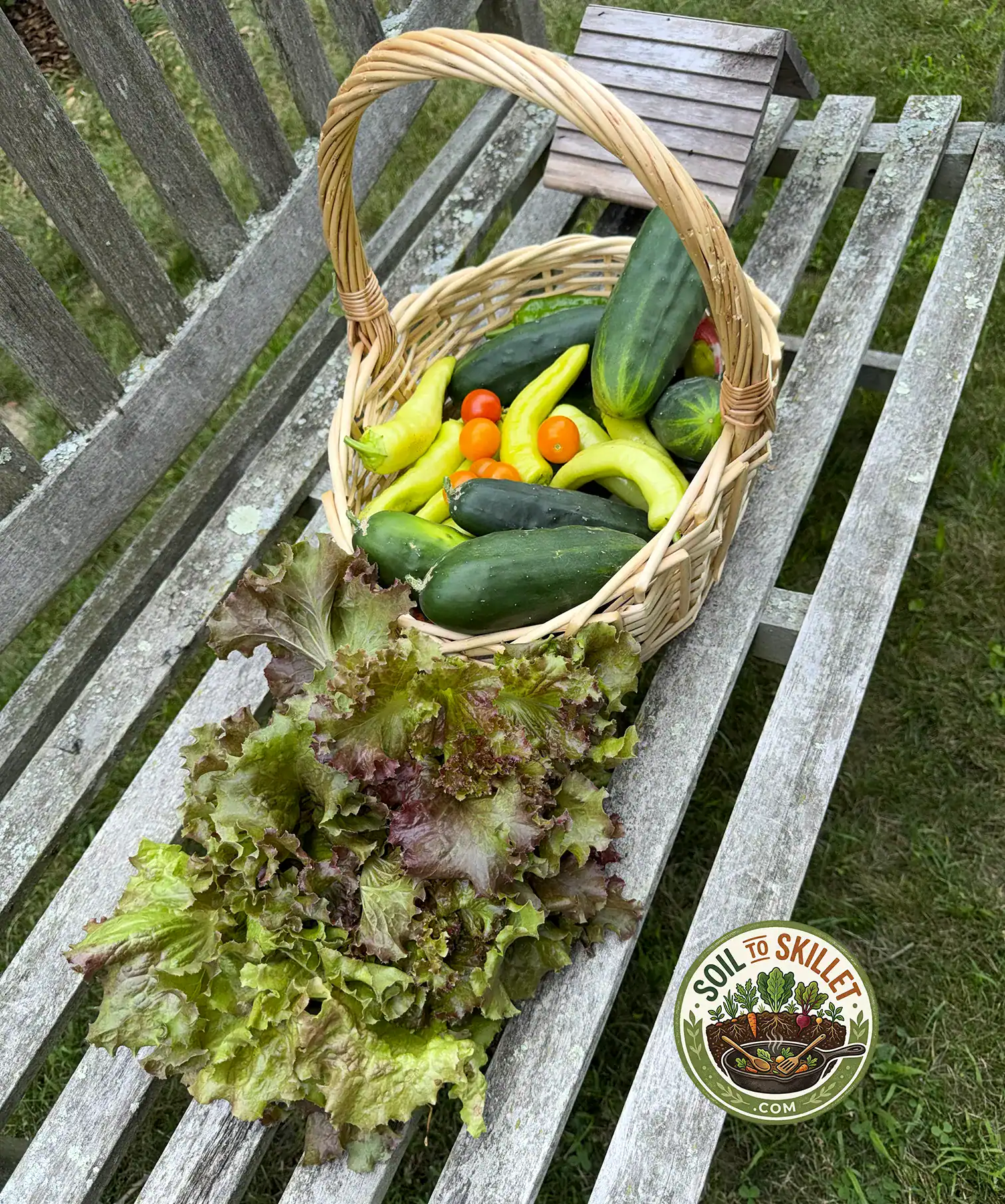
Lettuce is exceptionally fast and simple to grow. Rather than settling for tired, bagged salad kits, planting your own gives you access to dozens of incredible varieties—from crisp romaine and silky butterhead to vibrant oakleaf and ruby-red loose-leaf types.
Even better, lettuce is built for staggered, multiple plantings. By sowing a small fresh batch of seeds every two to three weeks through the cooler growing windows, you create a continuous harvesting loop. Using the “cut-and-come-again” method, you simply trim the outer leaves for dinner, and the plant regrows fresh greens for next week’s salad bowl.
Abundant, Low-Maintenance Peppers
Peppers—whether sweet bells, crisp banana peppers, or fiery jalapeños—are remarkably resilient and heavy producers. Once a pepper plant gets established in warm weather, it requires very little fuss and continuously sets fruit right up until autumn.
Just a few healthy plants in beds or pots will yield dozens of thick-walled, vibrant peppers, delivering a steady supply for salsas, stir-fries, and fresh snacking without a single grocery store run.
3. A Fun, Hands-On Activity for the Whole Family
Beyond the health and food safety perks, growing a garden is one of the best ways to bring the family together outdoors. It gives kids a front-row seat to practical science, showing them where real food comes from—far away from grocery store plastic wrap and digital screens.
“There is genuine excitement in watching a tiny seed sprout into a leafy head of lettuce or a flowering pepper plant. Kids who help plant and pick fresh vegetables are always far more excited to eat them at dinner!”
From letting young gardeners drop seeds into soil to letting them harvest ripe peppers right off the stem, it turns outdoor chores into rewarding family time.
4. Inspiring Your Community by Sharing the Harvest
Once your garden takes off, you will quickly find that a few well-tended plants yield far more than one household can eat. That extra abundance is where the real joy begins.
We love passing along fresh, safe, and healthy produce to our friends, family, coworkers, and neighbors. Handing someone a bag of crisp, homegrown greens or a basket of sun-ripened peppers isn’t just a friendly gesture—it proves how superior homegrown food really is. Showing your community how simple and rewarding gardening can be often gives them the exact encouragement they need to plant a few pots of their own.
5. Simple Harvest Hygiene at Home
While growing your own produce removes major industrial contamination risks, basic harvest habits keep your kitchen prep clean:
- Water at the Soil Level: Use drip lines, soaker hoses, or targeted watering wands to direct water right to the roots. Keeping water off the foliage reduces fungal issues and prevents soil splashback onto leaves.
- Rinse Before Eating: Give all fresh-picked greens and peppers a gentle rinse under cool running tap water right before prepping to wash away any garden dust or debris.
The Bottom Line
Planting a garden is more than a rewarding hobby—it is an investment in your family’s health, a fun educational project, and a great way to nourish your neighborhood. By growing your own lettuce and peppers, you take complete control of food safety while sharing clean, fresh abundance with everyone around you.